

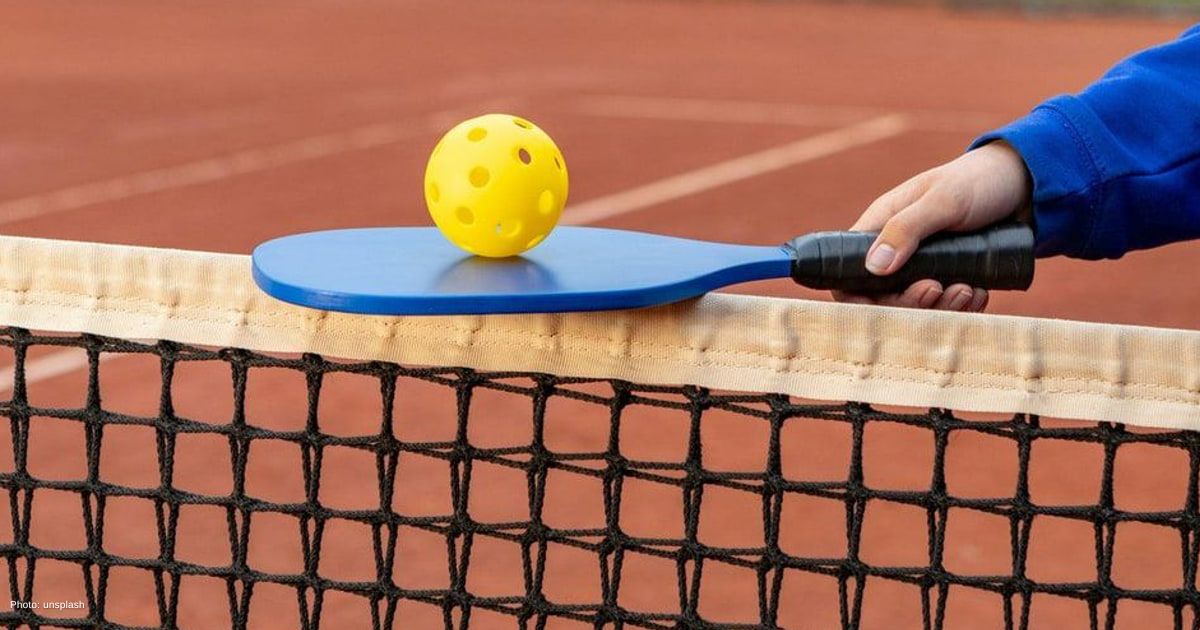
Pickleball looks easy at first glance, yet a few simple rules make a huge difference once the rally begins. Learning those basics helps every match flow more smoothly and prevents avoidable faults. Serving, in particular, deserves extra attention because every point starts there.
Serving the right way
Every rally starts with a legal serve, making it one of the most important shots in pickleball. USA Pickleball allows two serving styles: the volley serve, struck before the ball bounces, and the drop serve, played after the bounce. Which one should you use? Most experienced players prefer the volley serve because it produces better pace and placement, while the drop serve offers a simpler option for beginners.
Serving legally matters just as much as serving accurately. The paddle must move upward, contact the ball below the waist, and stay below the wrist at impact. At least one foot must remain behind the baseline, the serve must land diagonally in the correct service court, and only one attempt is allowed. Recent rule changes also permit players to release the ball with either a hand or paddle before a volley serve, as long as no spin is added.
Rules beyond the serve
Once the serve is in play, a few basic rules take over. Singles and doubles use the same court dimensions, although doubles is more common. In doubles, both teammates usually get a turn to serve before possession changes, while singles players serve from the right when their score is even and from the left when it is odd. From there, keep these rules in mind:
- Games are usually played to 11 points and won by two, with only the serving side scoring under traditional rules.
- The two-bounce rule requires the serve and return to bounce before either team can volley.
- Volleys are not allowed inside the non-volley zone, or kitchen.
- Faults include serving out, touching the net, volleying from the kitchen, or letting the ball bounce twice before returning it.
Mastering these fundamentals creates a stronger foundation for every match, whether you’re playing casually or competitively. As your confidence grows, you’ll have more time to focus on strategy instead of the rulebook.