

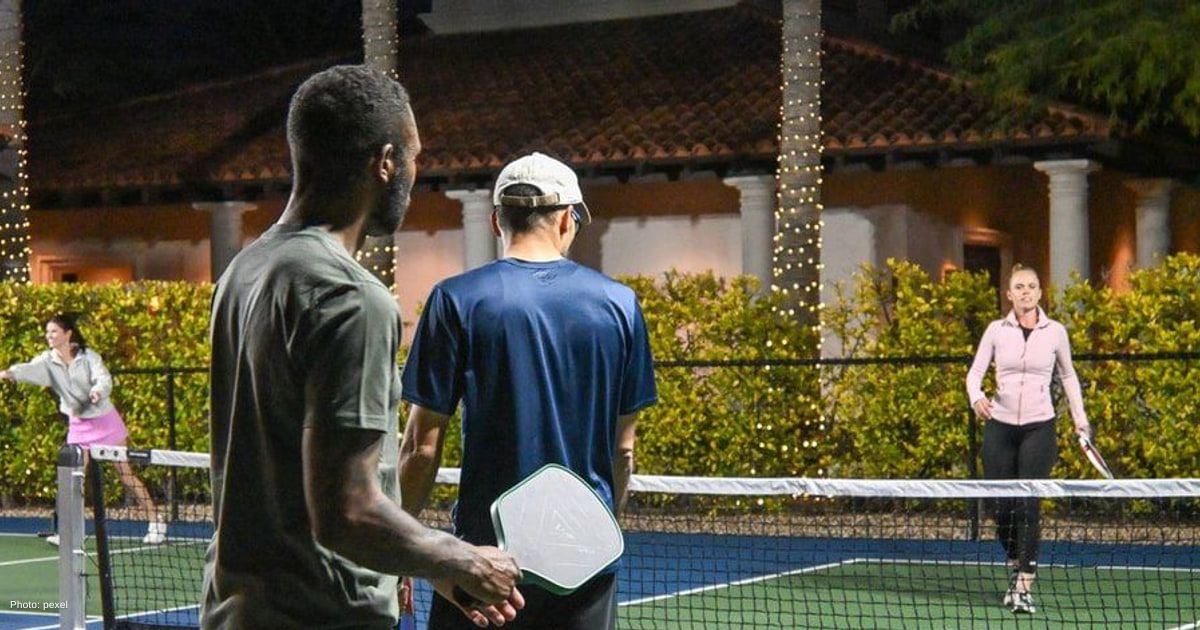
Pickleball doubles can look fast and chaotic, but winning usually comes down to making smart choices instead of flashy plays. A great partnership will often beat two stronger players who never seem to work together. So, what really gives successful teams the edge?
Power certainly helps, but it is rarely the deciding factor. Good positioning, steady communication, and consistent shot selection often make a much bigger difference throughout a match. When both players stay in sync and remain patient, they create far fewer openings for their opponents.
Key Takeaways
Effective pickleball doubles strategy relies on consistent teamwork, smart shot selection, and patient play rather than individual power.
- Successful doubles teams prioritize strong communication and coordinated movement, acting as a single unit to minimize errors and control rallies.
- Mastering the early game through deep serves and well-placed returns, along with controlling the kitchen line with soft dinks, sets a foundation for winning points.
- Strategic shot placement, focusing on opponents’ weaknesses and keeping the ball in play with a mix of shots, is crucial for maintaining pressure and capitalizing on errors.
Build the point early
Everything starts with the serve and return. Serving deep toward the baseline immediately puts the other team on the defensive, making it harder for them to attack. After that, sending the return through the middle of the court can create hesitation over who should play the ball while also testing an opponent’s backhand, which is often the weaker side. Most importantly, keeping those early shots in play avoids easy points for the opposition.
Control around the non-volley zone, better known as the kitchen, is another major advantage. Once both partners reach the kitchen line after the third shot, they can take control of rallies more effectively. Soft dinks that barely clear the net force opponents to hit upward instead of attacking, and a patient exchange often leads to mistakes. Why rush a winning shot when your opponents might hand you the opportunity instead?
Move as one
Another key weapon is the third shot drop. Landing the ball softly inside the opponent’s kitchen slows the rally down and gives the serving team enough time to move forward. If that shot is too risky, a controlled drive through the middle is still a reliable option that applies pressure without sacrificing position.
Success in doubles also depends on moving as a team. Think of both players as being connected by an invisible rope. Whenever one shifts left or right, the other should move with them to avoid leaving empty space. Short calls like “mine” or “yours” also remove confusion during fast exchanges and help partners know when to leave a ball that’s heading out.
Stay patient under pressure
Shot placement matters just as much as teamwork. Aiming at an opponent’s backhand, feet, or someone caught between the baseline and kitchen often produces weaker returns. Deep shots can also push rivals away from the net, making it much harder for them to control the point.
Experienced players rarely chase highlight-reel winners on every rally. Instead, they mix dinks, drives, lobs, and drop shots to keep opponents guessing while limiting unforced errors. Staying calm after mistakes and adjusting tactics when needed can change the flow of a match. Put all those habits together, and your chances of winning doubles improve no matter your current skill level.