

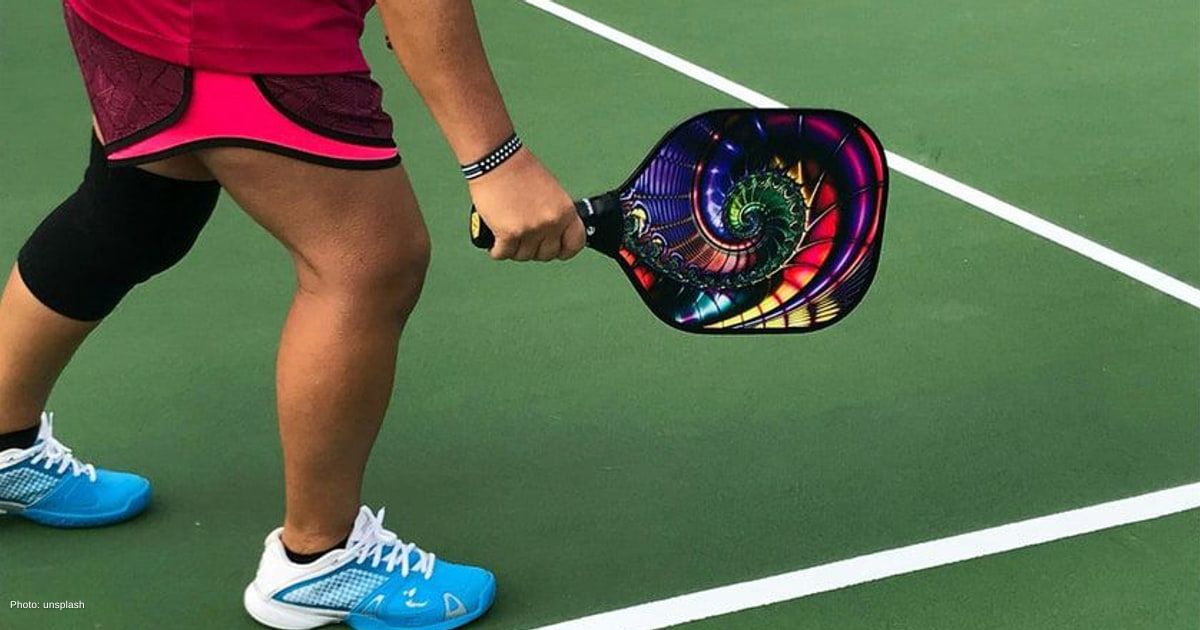
Finding the right pickleball paddle is only part of the equation. The way you hold it can influence everything from shot control to spin and power, making even small adjustments feel surprisingly important. So, which grip should you choose? The answer depends on how you like to play and what you want to improve.
Pick a grip
Many players begin with the Eastern grip because it offers a comfortable balance between power and control. Often called the handshake grip, it makes forehands, backhands, volleys and dinks feel natural without requiring constant changes to your hand position. Better still, it stays comfortable during long matches, although producing heavy topspin can be more challenging.
Those who enjoy playing aggressively may prefer the Western grip instead. Rotating your hand further around the handle makes it easier to create topspin and generate extra pace, especially on higher balls. There is a trade-off, though. Low shots with backspin can become more difficult to return because of the paddle angle.
Another popular choice is the Continental, or hammer, grip. Since it works well for serves, volleys, overheads, lobs and drop shots, many players appreciate not having to adjust their grip between rallies. While it delivers excellent touch and versatility, creating strong topspin is usually harder than with the Western grip.
Find your style
Not every player sticks with the traditional options. Some choose the ping pong grip, placing a finger on the back of the paddle for extra stability, particularly on two-handed backhands. Opinions differ over whether this grip reduces power, but many players like the added control it provides.
Rather than searching for one perfect grip, spend time discovering what feels most natural in your hand. Trying different styles during practice will help you learn which one suits your strengths, and becoming comfortable with your chosen grip can make every rally feel more consistent and confident.