

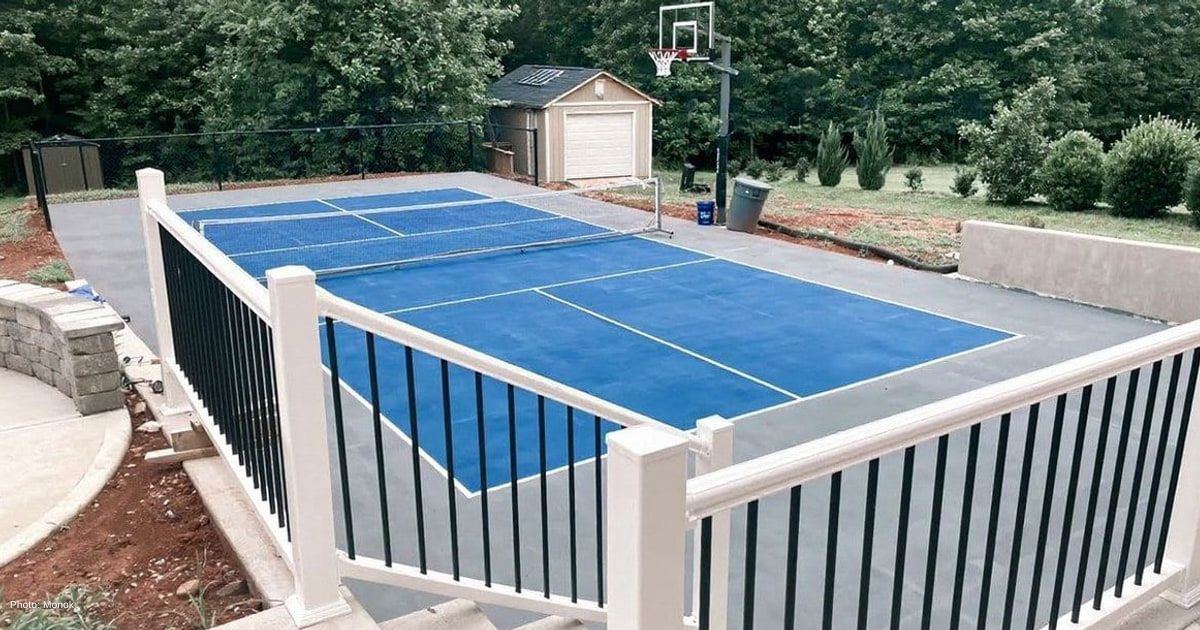
Pickleball is reshaping how major U.S. cities plan and build public recreation space. Park organizations serving the nation’s 100 most populous cities now report 3,765 dedicated and shared outdoor courts, reflecting the sport’s expanding urban footprint. Growth varies by location, but the trend offers international planners a timely lesson in matching public infrastructure with fast-changing recreational demand.
Key Takeaways
Pickleball’s surging popularity is prompting major U.S. cities to adapt their park infrastructure, with a significant increase in dedicated and shared courts reflecting the sport’s growing demand.
- There has been a substantial rise in pickleball courts within the 100 most populous U.S. cities, indicating the sport’s significant integration into urban recreation.
- The expansion of pickleball courts is driven by a dramatic increase in player participation, with millions of Americans engaging with the sport, necessitating dependable public spaces.
- Effective planning and community consultation are crucial for successful pickleball court development, ensuring facilities meet safety, quality, and community acceptance standards while fostering sustainable recreational growth.
Demand reshapes urban recreation space
Trust for Public Land’s 2026 City Park Facts tracks amenities across those 100 city park systems, which together serve roughly one-fifth of the United States population. Its latest workbook lists 3,765 outdoor pickleball courts, combining dedicated facilities with tennis courts marked for shared use. The total does not prove that every city expanded. It does show that pickleball has become a substantial part of major urban recreation networks.
Participation helps explain that footprint. In its June 2026 report, the Sports & Fitness Industry Association estimated that U.S. pickleball participation reached 24.3 million in 2025, compared with 4.2 million five years earlier. The number of core participants, or those who played at least eight times during the year, rose to 7.5 million. Such sustained use gives local authorities stronger reasons to provide dependable space for singles, doubles, lessons, leagues, and informal social play.
That response also matters because public courts can make participation less dependent on private clubs, memberships, or commercial booking fees. The practical takeaway is clear: when participation expands quickly, flexible public facilities can ease scheduling pressure and help cities determine whether demand justifies a permanent investment.
Better courts can build community
Demand alone does not guarantee a successful court. USA Pickleball specifies playing lines of 20 by 44 feet, or about 6.1 by 13.4 metres, for both singles and doubles. The non-volley zone extends seven feet, or 2.1 metres, from each side of the net. Outdoor projects also benefit from north-south orientation, adequate surrounding space, effective drainage, controlled lighting, fencing, and accessible routes. These choices shape safety, maintenance costs, playing quality, and acceptance among nearby residents.
Well-designed facilities can deliver value far beyond competitive play. Multi-court hubs can accommodate beginners, experienced players, adaptive programs, coaching, leagues, and tournaments. Shade, seating, durable surfaces, and thoughtful sound management can improve the experience for players while reducing pressure on surrounding communities.
For cities worldwide, the takeaway is not to copy a single American model, but to integrate participation data, local consultation, and long-term infrastructure planning before converting shared spaces or funding new construction. As pickleball continues to attract new players, cities that plan early and build responsibly will be better positioned to expand access, support stronger communities, and turn today’s momentum into sustainable recreational growth.